Our Blog & Advice

Discover practical tips on nutrition, safe handling and smart buying. We help you feed better and shop smarter.

Featured Articles

Learn from our experience and trusted sources to keep your pets healthy and your pantry stocked.

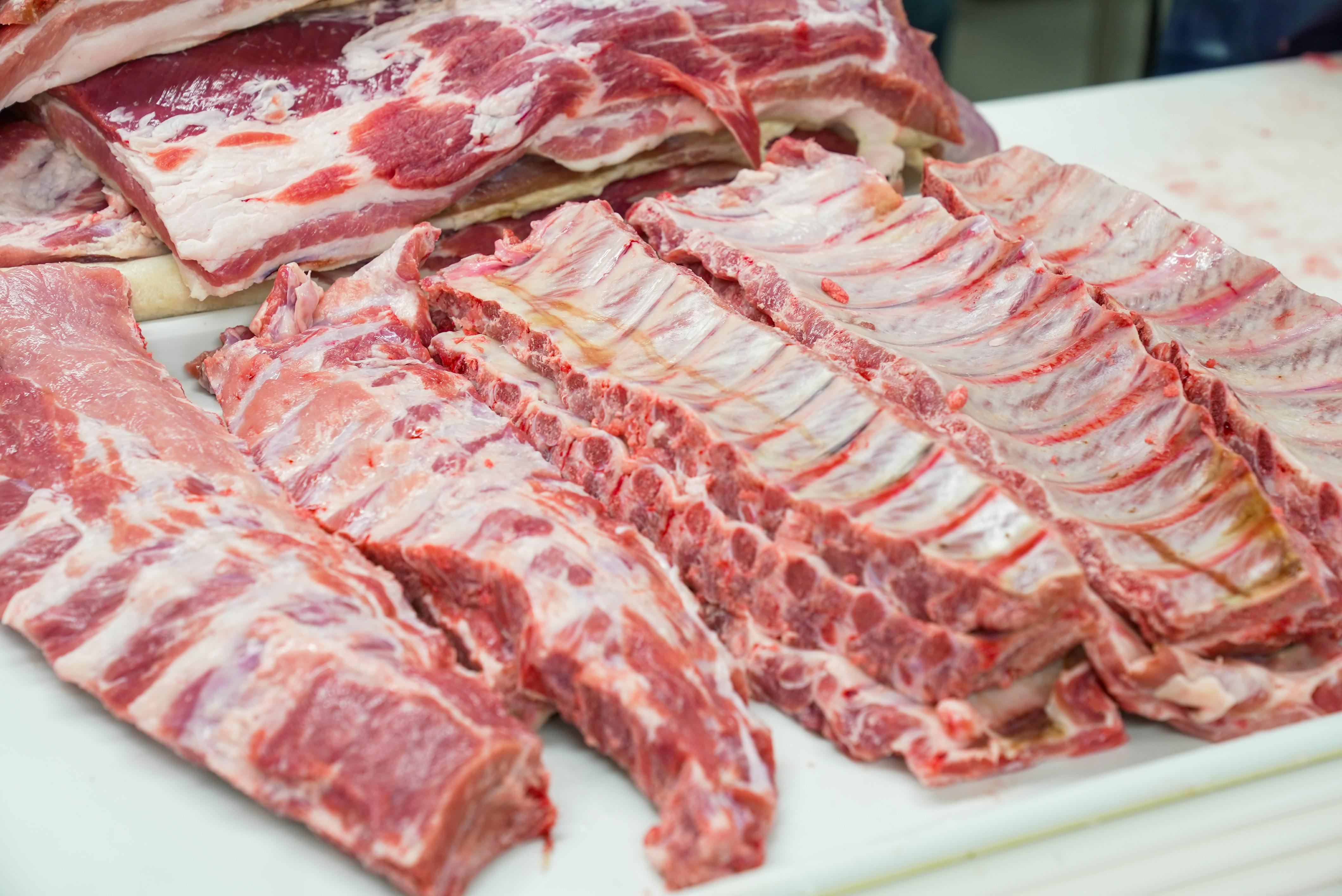
Variety of raw meats on wooden board
April 2026 • Nutrition

Choosing the Best Meat Options for Your Pets

High‑quality proteins are the cornerstone of a healthy diet for dogs and cats. Learn which meats offer lean nutrition and how to choose the right options.

Read more

Veterinary nutritionists emphasise that high‑quality, highly digestible protein is essential in a dog’s diet because undigested proteins can promote the growth of negative gut bacteria and lead to unpleasant by‑products. This means the meat you feed your pets should be both fresh and easy to digest.

Lean meats like chicken, turkey and fish provide excellent protein while supporting weight control. These are great everyday options for dogs and cats that need to maintain a healthy body condition. Our minced chicken and chicken heads are ideal, offering nutrient‑dense protein without excess fat.

If your pet is sensitive to common proteins, consider alternatives. Pork, lamb, venison, duck and rabbit are nutritious choices for dogs who respond poorly to chicken or beef. For example, our crushed pork and meaty pork bones supply a digestible source of protein and minerals.

Animal proteins also provide complete amino acid profiles that support muscle maintenance, energy production and overall vitality. Beef, chicken, turkey and fish each offer essential nutrients like iron, zinc and B vitamins. By rotating between different meats, you can give your pet a balanced diet.

Ultimately, the best meat choice depends on your pet’s age, activity level and any dietary sensitivities. Speak with your veterinarian about introducing new proteins, and always source meat from a trusted supplier. At Eat More Meat Point, our range of chicken, pork and meaty bones makes it easy to tailor meals to your pet’s needs.
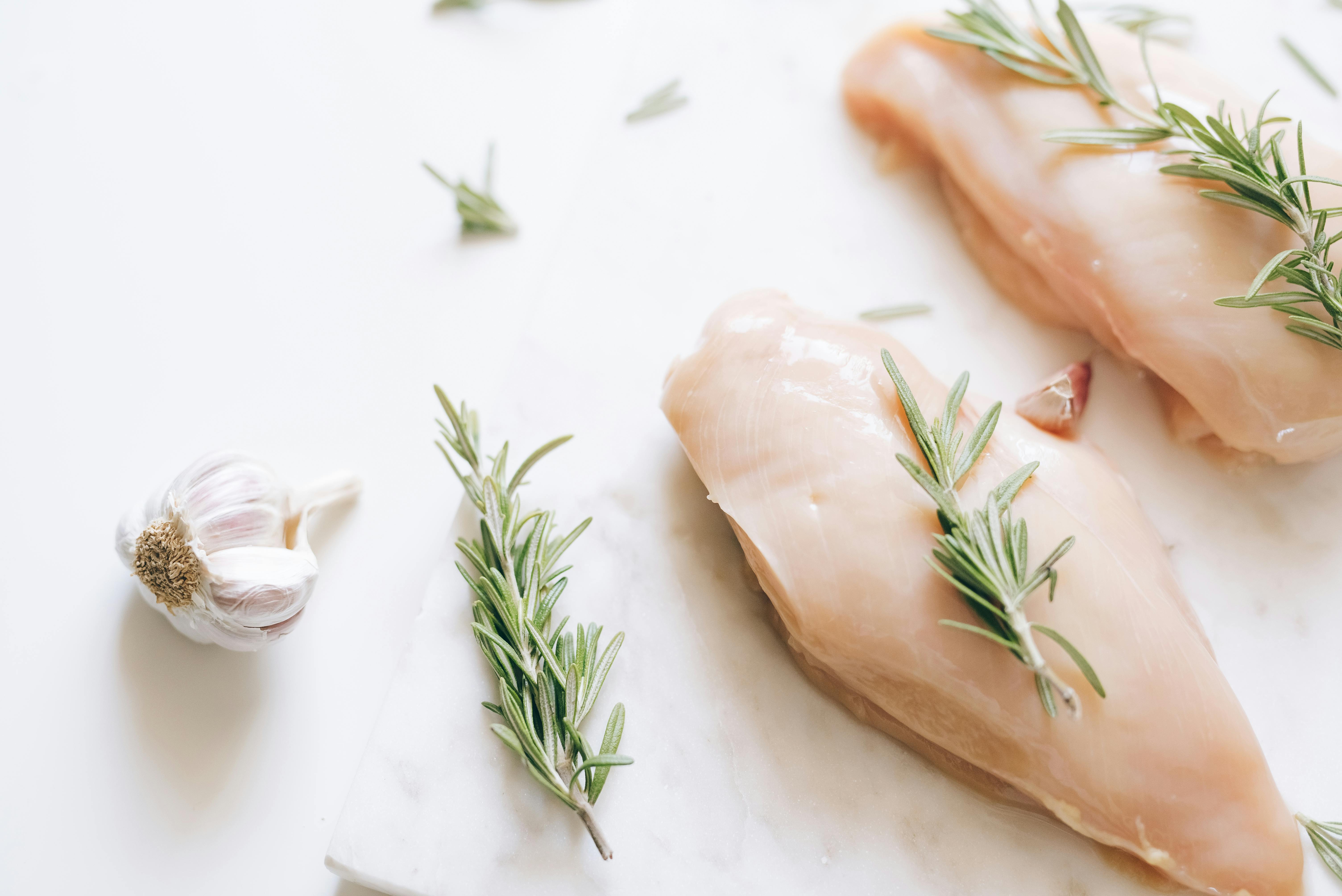
Raw chicken meat prepared on a board with garlic and herbs
March 2026 • Safety

Safe Handling & Storage of Raw Pet Food

Raw meats can harbour bacteria, so handling and storing them correctly is essential. Follow these steps to keep your household safe.

Read more

Raw pet foods may contain harmful bacteria such as Salmonella and Listeria monocytogenes. To protect yourself and your pets, wash your hands thoroughly with soap and water for at least 20 seconds after handling raw meat or touching contaminated surfaces.

Clean and disinfect kitchen counters, cutting boards, bowls and utensils that have come into contact with raw meat. The FDA recommends washing with hot soapy water and then disinfecting with a bleach solution. Running items through the dishwasher also helps eliminate germs.

Freeze raw meat and poultry products until you’re ready to use them, and thaw them in your refrigerator or microwave—not on the countertop. Do not rinse raw meat, as splashing juices can spread bacteria. Keep raw food separate from other foods, and promptly refrigerate or discard any leftovers.

If you cook raw ingredients for your pets, ensure they reach a safe internal temperature to kill any pathogens. Avoid kissing your pet around the mouth and wash your hands after being licked, especially after meals.

Our products are freshly prepared, but safe handling is still vital. Store meats in your refrigerator for short‑term use or freeze them immediately for longer storage. Following these practices will keep your household safe while your pets enjoy nutritious meals.

Fresh raw meat cuts arranged on a board
February 2026 • Bulk Buying

Tips for Buying Meat in Bulk & Keeping It Fresh

Buying in bulk is a smart way to save money—provided you store your meat properly. Here’s how to plan, portion and preserve your purchases.

Read more

Purchasing meat in bulk can offer significant savings, but it requires a plan. First, consider how much meat you’ll realistically use and how long you need to store it. This helps you determine the right quantity and storage space.

Before freezing, portion your meat into meal‑sized packages to avoid thawing and refreezing, which can promote bacterial growth and degrade quality. Use resealable bags or containers sized for individual meals.

Wrap or vacuum‑seal your meat to prevent freezer burn and extend shelf life. Vacuum sealing removes air and locks in freshness; if you lack a sealer, keep the original packaging and add a tight layer of plastic wrap or freezer paper.

Freeze your meat as quickly as possible—leaving it at room temperature for more than two hours increases the risk of bacterial growth. Slow freezing also negatively impacts texture and flavour, so aim for rapid freezing.

General safety rules still apply: refrigerate or freeze meat within two hours of purchase, never thaw at room temperature, use opened raw meat within two to three days, and label packages with the date stored. By following these steps, you can enjoy high‑quality meat for months without waste.

If you’re buying our chicken heads, pork bones or rice in bulk, contact us for advice on quantities and storage. We’re happy to help you plan your order and keep your freezer stocked with fresh, affordable products.